Congestion Is a Choice: How Hongseong's Compact Port Delivers Clearance Speed American Importers Crave
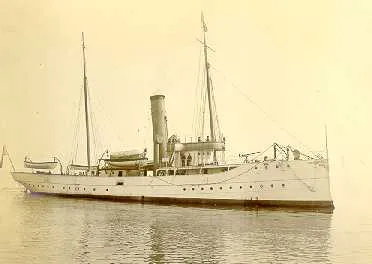
Photo: Wikideas1, CC0, via Wikimedia Commons
For American importers accustomed to the unpredictability of transpacific shipping, the difference between a two-day customs clearance and a two-week delay can determine whether a product launch succeeds or stalls. Increasingly, sourcing professionals are discovering that the port a supplier ships from matters as much as the supplier itself — and Hongseong's compact west coast infrastructure is quietly changing the calculus.
The Congestion Problem Nobody Solved
Anyone who moved goods through Busan or the major Chinese gateway ports during the last several years knows the pattern: vessels idling at anchor, container yards operating above capacity, and clearance queues that stretch into days rather than hours. These ports are marvels of scale, but scale cuts both ways. A facility handling more than twenty million TEUs annually simply cannot offer individualized attention to a mid-sized American buyer's shipment.
The result is a structural disadvantage baked into every order. Even when manufacturing finishes on schedule, cargo can sit in a yard for days awaiting berth space or documentation processing. For US businesses operating on lean inventory models, that dwell time is not an inconvenience — it is a direct threat to shelf dates and customer commitments.
Why Smaller Means Faster
Hongseong's port operations along Korea's west coast function on an entirely different logic. Rather than competing on volume, the region competes on throughput efficiency. A typical container moving through a west coast facility encounters:
- Minimal queue times. With a fraction of the vessel traffic of major gateways, ships berth on arrival rather than waiting at anchor.
- Streamlined customs processing. Lower daily cargo volumes allow customs officials to process documentation quickly, and the region's growing specialization in export support means officers routinely handle US-bound shipments.
- Direct drayage access. Inland manufacturers in Hongseong and greater South Chungcheong Province are often less than two hours from the quay, compressing the factory-to-vessel window dramatically.
One freight forwarder who routes US-bound cargo through the region described the contrast bluntly: "At a megaport, your container is one of a hundred thousand. Here, if there's an issue with documentation, someone actually calls you the same day. Clearance that takes three days elsewhere happens in hours."
The Numbers Behind the Pitch
While every lane varies, logistics operators consistently report that cargo departing west coast Korean ports reaches Los Angeles and Long Beach with fewer schedule disruptions than comparable volumes routed through congested Asian gateways. The predictability factor is arguably more valuable than raw speed. An importer who knows a shipment will depart on the booked date can plan downstream warehousing, marketing campaigns, and retail commitments with confidence.
Compare that to the megaport experience, where a single missed berth can cascade into a week of slippage. For small and mid-sized American businesses without the negotiating leverage of a Walmart-scale buyer, that reliability gap is decisive.
A Practical Fit for American SMEs
The west coast advantage is not universal — shippers moving tens of thousands of containers may still find economies in the major gateways. But for the growing cohort of US entrepreneurs sourcing components, finished goods, and private-label products from Korean manufacturers, Hongseong offers something rarer: a port experience sized to their business.
Faster clearance, predictable schedules, and operators who answer the phone. For a first-time importer in Chicago or Austin, that combination may be worth more than any volume discount.