When the Big Ports Held Their Breath: A Single Hongseong Shipment's Quiet Journey Through the 2024 Labor Unrest
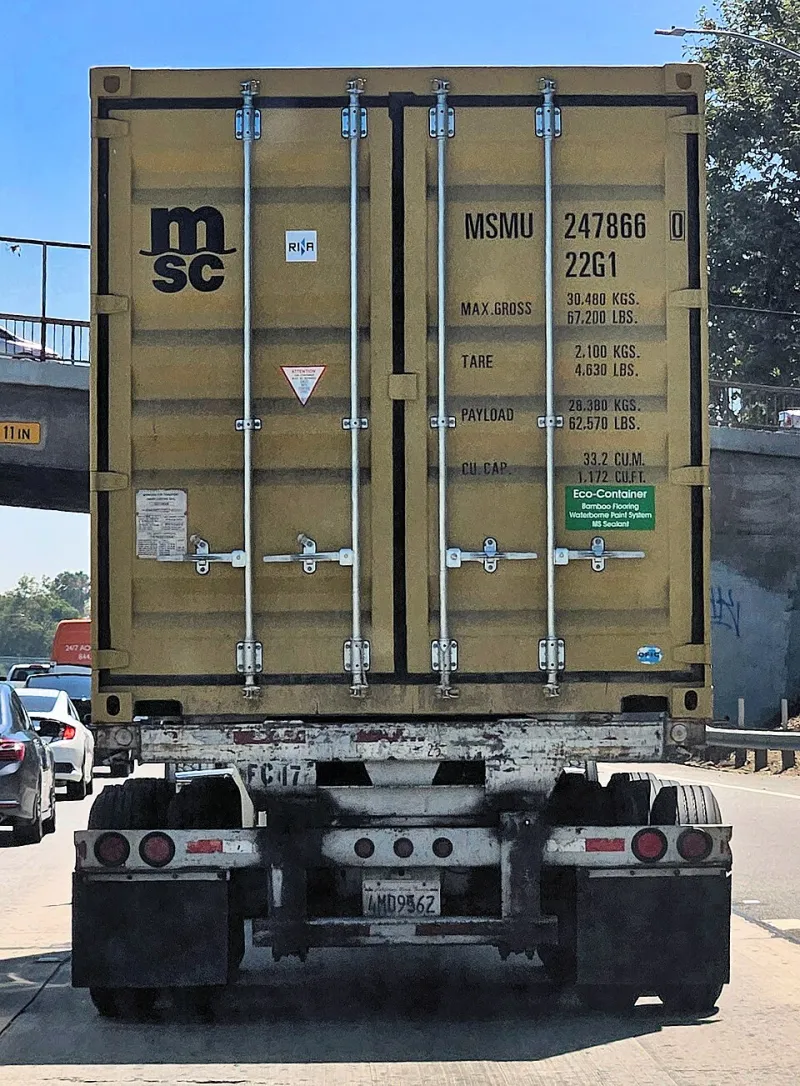
Photo: Eric Polk, CC BY-SA 4.0, via Wikimedia Commons
In October 2024, as contract talks between the International Longshoremen's Association and port operators unraveled, container ships stacked up outside New York and Houston like cars on an interchange at rush hour. For most American importers, the arithmetic was brutal: every idle day meant demurrage fees, missed promotional windows, and customers clicking over to competitors.
For one Ohio-based housewares retailer — we'll call her the buyer, at her request — the story played out differently. Her fall order, roughly 640 cartons of kitchen storage goods, was manufactured in Hongseong, on Korea's west coast. It cleared the water, crossed the Pacific, and arrived in Columbus just eight days behind schedule. Her peers importing from larger Asian gateways averaged five to seven weeks of delay.
This is what happened, step by step, and why it matters more broadly for US buyers rethinking where their goods come from.
A Workshop Floor, Not a Factory Campus
The order began in a modest production facility outside Hongseong, the kind of mid-size workshop where a quality manager personally inspects the first and last cartons of every run. Production wrapped on a Tuesday. By Thursday, the goods were trucked to a nearby consolidation point — a trip measured in hours, not the two-day inland haul that goods from Korea's southeastern industrial belt often require.
That short overland leg is easy to dismiss until you're the one watching a strike deadline on the calendar. Every hour of transit you don't need is an hour of buffer you do.
The West Coast Advantage, Practically Speaking
Hongseong sits within practical reach of west-coast Korean ports — Pyeongtaek-Dangjin chief among them — that handle a fraction of the volume passing through Busan. During the 2024 turmoil, when rerouted cargo flooded major transshipment hubs, these smaller gateways kept berthing windows relatively predictable. Vessels called on schedule. Container yards had space.
The buyer's freight forwarder booked a direct trans-Pacific service out of Pyeongtaek-Dangjin, bypassing the congested relay points entirely. Total dwell time at origin: under three days, versus the week-plus queues her competitors' cargo faced at larger ports.
The Silent Buffer of the Small Port
There's a principle here worth naming: congestion is not evenly distributed, and neither is its absence. Megaports operate near capacity in normal times, which means any shock — a strike, a storm, a surge in bookings — cascades immediately. Mid-size ports run with slack. That slack is invisible right up until the moment it becomes the difference between a holiday season and a write-off.
When the ILA's strike action briefly took effect in early October before a tentative agreement paused it, cargo already in motion through secondary gateways barely registered the disruption. The buyer's container was at sea before the picket lines formed, and its Pacific crossing was unaffected either way.
What Arrived, and What It Cost
The container landed at a Gulf Coast port — deliberately, to avoid East Coast congestion — and moved inland by rail to Ohio. Total transit, door to door: 31 days. The buyer's landed cost rose modestly due to a higher ocean rate, but she avoided the emergency airfreight quotes that several of her suppliers' other clients were entertaining at four to six times the price.
More valuable than the money, she says, was the information. Because her Hongseong supplier and its local logistics partners communicated daily — actual departure dates, actual vessel names, actual arrival windows — she could plan her retail calendar around facts rather than estimates.
The Broader Lesson for American Importers
None of this required luck. It required a sourcing decision made months earlier, when the buyer chose a Hongseong manufacturer over a lower-quoted alternative in a more congested corridor. The quote was perhaps 4% higher. The resilience, in hindsight, was worth multiples of that.
For US importers weighing similar decisions, the 2024 labor turmoil offers a working checklist:
- Map the full route, not just the origin port. Congestion at any node can strand your goods.
- Favor corridors with built-in slack. A port running at 70% capacity absorbs shocks; one at 95% transmits them.
- Prioritize communication density. Suppliers embedded in tight regional logistics networks — as Hongseong's are — tend to have better real-time visibility.
- Price the hedge, not just the quote. A slightly higher unit cost through a resilient corridor is insurance you can actually audit.
Not a Fluke, a Pattern
Hongseong's manufacturers won't make headlines the way a 45,000-TEU megaport does. That's partly the point. The region's value to American buyers lies in what doesn't happen: the queue that doesn't form, the booking that doesn't roll, the container that doesn't sleep on a pier while a contract dispute grinds on.
The buyer's container made it home quietly. In logistics, as in most things, quiet is usually what success sounds like.