The Last Mile You Forgot: How Hongseong's Short Hauls Shrink the Real Cost of Importing
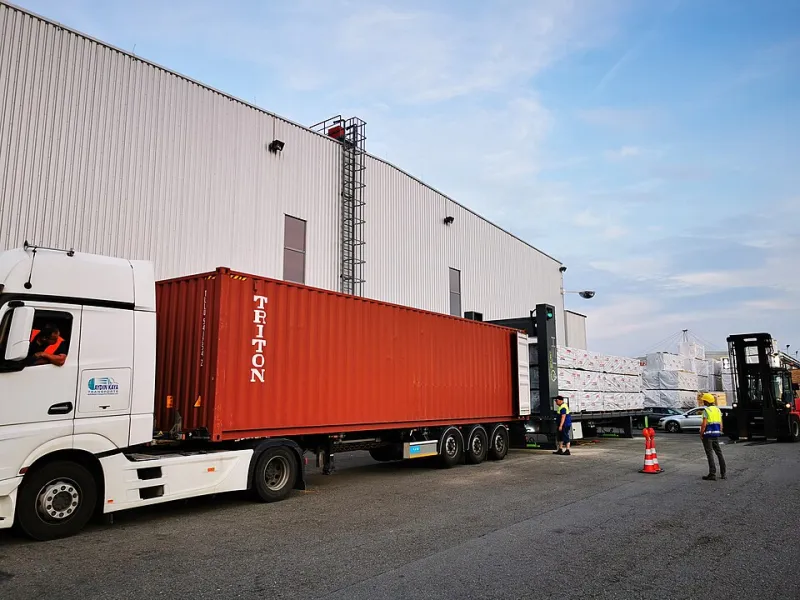
Photo: SmartTEHLatvia, CC BY-SA 4.0, via Wikimedia Commons
When US importers build a landed cost model, the arithmetic usually stops at the ocean freight quote. FOB price, container rate, insurance, duty — done. What gets missed is everything that happens before the container ever touches a vessel, and that blind spot is where rural-adjacent industrial regions quietly outperform the famous ones.
The Drayage Problem Nobody Quotes Up Front
A container is not free to move once it is packed. Someone has to truck it from the factory to the terminal, and in sprawling manufacturing corridors that haul can stretch 100, 200, even 300 kilometers. Each kilometer adds fuel, driver hours, and — critically — time. Time, in turn, feeds the two most expensive words in importing: demurrage and detention.
A trucker who misses a cut-off at a congested megaport doesn't just cost you a late fee. Your container rolls to next week's vessel, your customer's replenishment slips, and your air-freight backup plan suddenly looks affordable. American importers who source from dense inland clusters know this pain intimately; those who source from compact coastal ones often don't know it exists.
Why Distance Is a Cost-Control Lever
Hongseong sits on Korea's west coast with an unusual proportion of its manufacturing base located within a short drive of both its port facilities and the expressway network feeding Seoul and the national grid. In practical terms, a container loaded at a Hongseong factory frequently travels less than an hour to the terminal.
That short haul compounds in the importer's favor three ways:
- Lower per-container trucking fees. Short-distance drayage in Korea is priced accordingly. The savings per box are modest; across a year of volume, they are not.
- Tighter cut-off margins. When the factory is close, a same-day pickup can still make the vessel. Suppliers can book later, react faster, and absorb small production delays without missing a sailing.
- Fewer rollover events. Every kilometer of transit is another chance for traffic, breakdown, or paperwork delay. Short hauls compress that risk toward zero.
Compare that with sourcing from an inland province where the container ride to a major terminal can take most of a working day. The freight quote looks similar. The hidden cost structure does not.
A Landed-Cost Worksheet You Can Run Today
Before your next sourcing decision, build a simple comparison. Take two candidate suppliers — one in a congested hub region, one in a compact coastal zone like Hongseong — and fill in the blanks:
- Quoted FOB price per unit (start equal, adjust as you go)
- Inland trucking charge per container — ask the supplier directly; many will absorb or discount this when the haul is short
- Terminal cut-off buffer required — ask how many days before vessel departure the supplier books pickup; longer buffers mean more inventory in transit
- Historical rollover rate — ask what percentage of containers miss the intended vessel; anything above 5% deserves scrutiny
- Demurrage/detention exposure per rollover — typically $150–$300 per day at US ports once a box starts accruing
- Total days from production completion to vessel departure — this is your working capital cost, whether or not it appears on an invoice
Run the numbers for a 40-foot container at your actual volume. Importers who do this exercise are often surprised to find that a supplier quoting 2–3% higher FOB can still deliver a lower true landed cost when the geography works in their favor.
The Broader Lesson for American Buyers
US importers have spent the last several years learning that resilience is a location decision, not a contract clause. The same logic applies at the micro level: the distance between the loading dock and the quay is a structural feature of your supply chain that no negotiation can change after the fact.
When you evaluate your next Korean supplier, don't just ask what the product costs. Ask how far it has to travel — by truck — before it starts its journey to Long Beach or Savannah. In Hongseong, the answer tends to be measured in minutes. Your import budget will notice.