The Tariff Insurance You Didn't Know You Had: Why Hongseong's Trade Terms Give US Buyers Room to Breathe
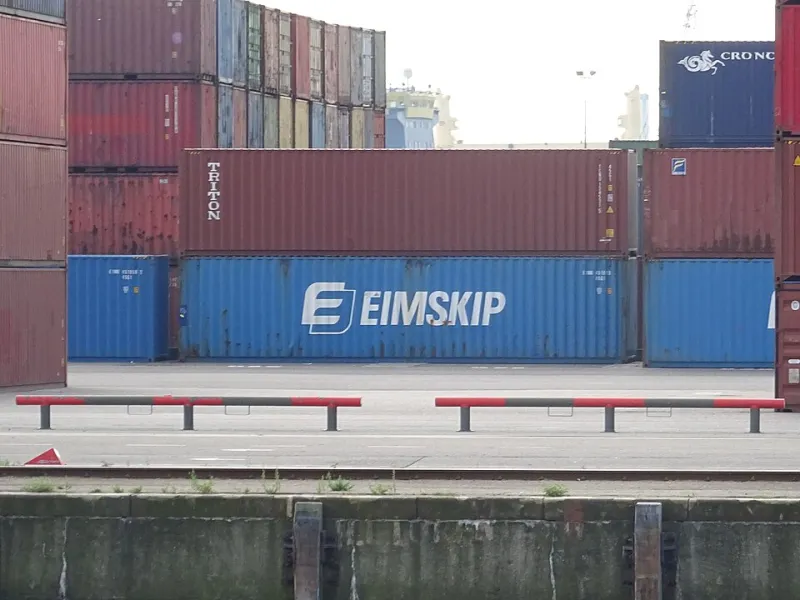
Photo: AgainErick, CC BY-SA 4.0, via Wikimedia Commons
Every few months, another round of tariff news lands in American inboxes, and small importers do the same math all over again. A ten-percent duty here, a retaliatory rate there, and suddenly the unit cost that looked tight in January is unsalvageable by spring. Most buyers respond with the two levers they know: raise retail prices, or go hunting for a cheaper factory in a country they have never shipped from.
There is a third lever, though, and it does not get nearly the attention it deserves. It is trade terms — specifically, the Korea–United States Free Trade Agreement, known as KORUS, and what it quietly does for an order sourced from Hongseong on Korea's west coast.
What FTA Status Actually Changes
Under KORUS, the vast majority of goods qualifying as Korean-origin enter the United States duty-free or at dramatically reduced rates. For an importer used to paying Section 301 tariffs on Chinese-origin goods — 25 percent on many categories, more in some cases — the difference is not a rounding error. It is often the single largest line item in the landed-cost calculation after the goods themselves.
The catch, and it is a modest one, is documentation. To claim preferential treatment, the exporter must certify origin, typically through a declaration covering the Harmonized Tariff Schedule classification, the origin criteria, and the responsible party. Established Korean manufacturers handle this routinely; it is a familiar workflow, not a legal project. For a US buyer, the practical burden is verifying that the certificate is accurate and keeping it on file.
Compare that with the alternative many importers have grown numb to: tariff engineering, transshipment risk, forced routing through third countries, and the lingering audit anxiety that comes with all of it.
A Worked Comparison
Consider a mid-size order — say, 5,000 units of a consumer product with a US retail price around $40. Assume a factory-direct cost of $8.50 per unit from a Hongseong supplier and $7.40 per unit from a non-FTA supplier in a tariff-exposed country.
From the non-FTA source, add a 25 percent duty: $1.85 per unit, bringing the duty-paid cost to $9.25. Add freight, insurance, and drayage — call it $1.10 per unit at this volume — and landed cost lands near $10.35.
From Hongseong, with KORUS eligibility, the duty drops to zero. Even with a higher unit price of $8.50 and slightly shorter ocean transit to the West Coast, landed cost comes in around $9.60. The nominally 'expensive' Korean supplier wins by roughly 75 cents per unit — $3,750 on this order alone — before accounting for the lower defect rates, faster communication cycles, and reduced compliance risk that typically accompany a mature manufacturing base.
The pattern generalizes: whenever the duty differential exceeds the unit-price premium, FTA origin is the cheaper move. In tariff-sensitive categories, that threshold is easy to clear.
A Simple Decision Framework
Before defaulting to the lowest sticker price, run three checks:
First, classify honestly. Pull the HTS code for your product and confirm the current duty rate for each candidate origin. Duty differentials shift with policy; yesterday's assumptions are not this quarter's math.
Second, price the paperwork. Ask the supplier whether they will provide a KORUS origin certification and how they document origin criteria. A supplier who answers in a day, with a template, is telling you something about how the whole relationship will run.
Third, weigh the risk premium. Duty exposure is only one risk. Origin audits, transshipment scrutiny, and sudden rate changes carry real costs. A stable FTA partner functions, in effect, as insurance against exactly the volatility that keeps small importers up at night.
If the per-unit premium is smaller than the duty differential plus a reasonable risk discount, the higher-priced quote is the cheaper decision.
The Hongseong Angle
None of this requires a megafactory or a seven-figure commitment. Hongseong's strength for American buyers has always been its mid-size manufacturers: operations large enough to hold KORUS documentation discipline and quality certifications, small enough to answer an email before your business day ends. For importers running pilot orders or tight-margin SKUs, that combination — FTA treatment, west-coast port access, and responsive suppliers — is a genuine hedge against tariff turbulence.
Tariff policy will keep shifting; that much is certain. Buyers who build duty logic into their sourcing decisions from the start, rather than scrambling after the next announcement, will always breathe easier than those who chase the lowest unit price and discover the true cost at the dock.