One Supplier Away from a Standstill: Building a West Coast Korea Backup
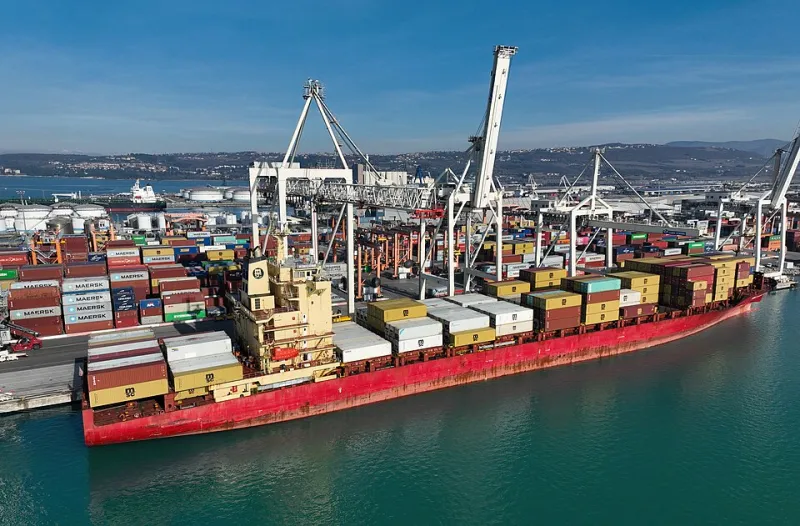
Photo: Petar Milošević, CC BY-SA 4.0, via Wikimedia Commons
The Fragility Nobody Prices In
Here is the uncomfortable arithmetic of modern importing: a supply chain built on a single country, a single port, and a single factory is not efficient. It is merely unbilled risk. Every importer who has lived through a tariff announcement, a port labor dispute, or a pandemic-era freight collapse knows the feeling—watching competitors reroute while your container sits, your inventory dwindles, and your retail partners ask questions you can't answer.
The standard objection to dual sourcing is cost. It is also, in most cases, wrong.
The Real Cost of Diversification Versus the Real Cost of Disruption
Qualifying a second supplier typically costs a mid-sized American importer between $5,000 and $25,000: sample runs, a pilot order, a quality audit, some travel or third-party inspection. Spread over a year of purchase volume, it's a rounding error.
Now price the alternative. A tariff on your primary sourcing country can add 25% or more overnight—tariffs apply to the origin of manufacture, not to how loyal you've been. A port closure adds weeks and spot freight rates that make your landed cost fiction. A single factory's quality failure or capacity crunch can idle your best-selling SKU through an entire season. Ask any brand that lost a holiday quarter to a supply disruption whether $15,000 of advance work would have been worth it. The question answers itself.
Why Korea's West Coast—And Hongseong in Particular
If you're going to build a Plan B, build one that's genuinely different from your Plan A. A second supplier in the same industrial cluster as your first is not diversification; it's duplication.
Korea's west coast offers that genuine separation. Hongseong sits outside the congestion of the major gateway ports, with access to west coast shipping lanes and a manufacturing base of mid-sized, owner-operated firms that are structurally hungry for American accounts. Where a mega-factory may not return your email for a $40,000 order, a Hongseong workshop will treat your business as significant.
There's a second advantage worth naming: Korea's trade position with the United States. Under the KORUS free trade agreement, a wide range of Korean-manufactured goods enter the US duty-free or at reduced rates. For importers whose primary sourcing is exposed to tariff risk, a Korean backup isn't just a second factory—it's a second trade policy exposure.
A Practical Qualification Checklist
Dual sourcing fails when it's treated as a project for someday. Treat it as a quarterly discipline instead:
- Identify your single points of failure. Which SKUs, if unavailable for 60 days, would damage your business most? Start there—don't try to dual-source everything.
- Shortlist three candidates. For Hongseong suppliers, regional business support organizations and consulting firms with local presence can screen for export experience and English capability before you spend a dollar.
- Run a paid sample and a pilot order. Pay for the sample; it changes the dynamic. Order at 10–20% of your typical volume to test the relationship, not just the product.
- Verify trade documentation. Confirm the supplier can produce certificates of origin and KORUS documentation your customs broker will actually accept.
- Split ongoing volume 80/20. Keep your primary supplier dominant, but route a steady fifth of volume to the backup. A supplier you only call during a crisis is a supplier who doesn't prioritize you during a crisis.
- Re-audit annually. Suppliers change. Your Plan B should be re-verified as seriously as your Plan A.
The Opinion, Stated Plainly
We believe importers who rely on a single country or port are one trade dispute away from a supply crisis—full stop. Diversification is not pessimism; it is the supply chain equivalent of an insurance premium, and unlike most insurance, it pays a dividend in normal times too: negotiating leverage, capacity flexibility, and a second set of engineering eyes on your products.
Hongseong won't replace anyone's primary sourcing base, and it shouldn't try. As a qualified, responsive, treaty-advantaged Plan B on Korea's west coast, it is arguably the most underused option available to American small and mid-sized importers today.